Trusted News • Clear Perspectivesen Edition
GLOBAL PULSE NEWS

The latest headlines, explained with clarity.

TOP STORYYour trusted source for breaking news, in-depth reports and the stories that matter.

November 2026

UK Train Fares Rise as New Rail Ticket Caps Take Effect

• By Deals of the Day
UK Train Fares Rise as New Rail Ticket Caps Take Effect
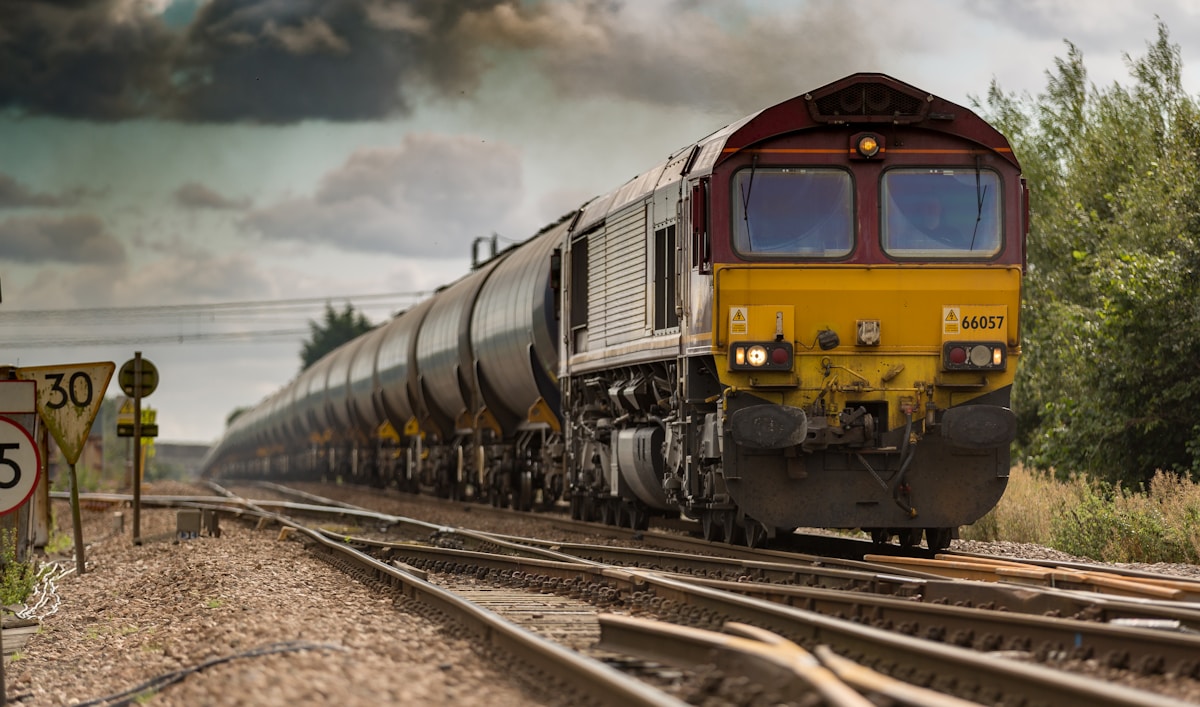
Photo: Wikimedia Commons

UK train fares jump by 4.6 percent across England, changing what millions pay to travel every day. Commuters in London, Manchester, and Leeds will feel this hit to their wallets immediately. Buying a season ticket now costs hundreds of pounds more each year.

The price jump took effect on Sunday after months of debate between rail operators and ministers. If you commute to an office three days a week, your monthly travel costs will climb fast. Here is what is happening with ticket costs and what you can do to save money.
AI illustration of modern electric train at platform in London station

Why UK Train Fares Are Going Up Right Now

Train operators say running services costs more money than it did two years ago. Electricity bills for electric trains have jumped. Staff wages have risen after long union talks. Maintenance on tracks, signals, and stations also takes more cash.

The UK government sets the limit for regulated ticket prices each year. Regulated tickets cover season passes, standard off-peak tickets, and flexible return fares. In past years, ministers matched the hike to the Retail Prices Index from July. This year, the Department for Transport added one full percentage point above that benchmark. That decision pushed the average rise up to 4.6 percent.

Ministers argue this shift reduces the burden on general taxpayers. In the pandemic years, the Treasury spent billions to keep train operators running when passenger numbers crashed. Passenger numbers have returned to about 85 percent of pre-2020 levels, but revenue remains lower. Many workers now stay home on Mondays and Fridays. That leaves train operators with smaller earnings to cover their fixed costs.

Rail leaders say the higher tickets help fund new tracks, cleaner carriages, and digital signaling. Yet groups representing passengers disagree. They point out that reliability remains uneven across several major lines. Cancellation rates on Northern Rail and TransPennine Express still frustrate daily commuters.

UK Train Fares Rise as New Rail Ticket Caps Take Effect
Photo: Wikimedia Commons

How Much More Will Your Commute Cost?

The actual extra cost depends on your route and ticket type. Someone buying an annual season ticket from Brighton to London now pays about 260 pounds more per year. A commuter traveling between Reading and London sees their annual pass climb past the 5,000 pound mark. That is a noticeable jump for working families who already face high living costs.

Even short trips will take a bite out of daily budgets. A peak return ticket from Chelmsford to London Liverpool Street now costs over 34 pounds for a single day. If you make that trip three times a week, you spend around 400 pounds each month purely on travel. That total does not include Tube fares or bus rides across town.

Here is a breakdown of how the fare hike changes common annual journeys:

  • Brighton to London: Up by roughly 260 pounds to over 5,800 pounds.
  • Reading to London: Up by about 240 pounds to near 5,300 pounds.
  • Milton Keynes to London: Up by about 280 pounds to around 6,300 pounds.
  • Manchester to Liverpool: Up by around 160 pounds for peak travel.

Single and return tickets bought on the day also feel the pinch. Off-peak day returns on intercity services run by LNER and Avanti West Coast show matching price steps. For many, driving a car or catching a coach starts to look cheaper, even with traffic jams.

AI illustration of commuter looking at digital train departure board showing ticket prices

The Impact on Daily Workers and City Centres

Higher travel costs change how people live and work. Office attendance in central London drops sharply on Mondays and Fridays. When tickets cost this much, coming into the office five days a week makes little financial sense for many employees.

Local businesses near large stations feel the pain too. Sandwich shops, coffee stalls, and pubs rely heavily on foot traffic from commuters. When fewer people step off the trains, small business owners see their daily sales drop. Many managers report that hybrid work is here to stay largely because travel costs remain so steep.

Transport experts worry about climate goals as well. If rail tickets cost more than petrol, people choose to drive. Motorway traffic on the M1, M4, and M25 has climbed back to record levels over the last twelve months. Every extra car on the road adds to carbon emissions and air pollution around cities.

Public anger has grown because service quality has not matched the price hike. Industrial action, bad weather, and broken track equipment caused thousands of cancellations last winter. Commuters ask why they should pay more when trains often run late. Just like when the US Emergency Relief Fund Changes How Disaster Money Reaches Families, people expect clear results and basic stability when public money and higher charges are involved.

Ways You Can Pay Less for Rail Travel

You do not have to accept the highest price on the ticket screen. Smart booking habits can trim real pounds off your weekly travel expenses. Finding discounts takes a little planning, but the savings add up quickly over a year.

First, check if you qualify for a railcard. The 16-25, 26-30, Two Together, and Network Railcards cut a third off off-peak fares. A standard railcard costs 30 pounds per year, so you earn the money back on just one or two long trips. If you travel outside peak morning hours, a railcard is an easy win.

Second, look into split ticketing. Buying separate tickets for individual legs of your trip often costs less than buying one through-ticket. Your train does not even need to stop at the split stations, as long as it calls there on its scheduled route. Several online apps now calculate these splits automatically for you.

Third, ask your company about season ticket loan schemes. Many UK businesses lend staff money to buy annual passes with no interest, taking deductions straight from their monthly paycheck. By using an annual pass instead of daily tickets, you lock in a lower rate per journey. You can read more useful guides and updates on our main blog page to keep your family budget protected from rising costs.

What Lies Ahead for the Rail Network?

The UK government wants to create a new public body called Great British Railways. This body will take control of timetables, track repairs, and ticket pricing across England, Scotland, and Wales. The plan aims to replace the messy system of private franchises with single-brand regional contracts.

Ministers say this structural shift will end confusing ticket prices. Today, a traveler can choose from dozens of different fares for the exact same journey. Great British Railways plans to simplify those options into clear single-leg fares. That system already works well on London buses and the Tube network, where contactless tap-in caps your total spend.

Several northern routes are testing this pay-as-you-go tech right now. Passengers tap a debit card or smartphone at the station gate, and the computer works out the lowest possible fare at midnight. If rolled out across the country, it could end the stress of searching for cheap advance tickets weeks ahead.

Until those reforms take full effect, ticket prices will stay high. Rail unions continue to press for fair pay, while track infrastructure needs massive updates. Riders will need to watch their bookings closely to make sure they do not overpay on their daily journeys.

Frequently Asked Questions

Which train tickets are affected by the price rise?

The 4.6 percent increase applies to regulated fares. These include most season tickets, off-peak return tickets on intercity routes, and standard anytime fares around major cities. Unregulated fares, such as first-class tickets and some advance tickets, are set independently by train operators.

Can I still get a refund if my train is delayed?

Yes. The Delay Repay scheme remains unchanged. If your train is delayed by 15 minutes or more, you are entitled to partial compensation. Delays of an hour or more usually entitle you to a full refund for that journey. Keep your tickets to claim the cash online within 28 days.

Do Railcards still give a 33 percent discount?

Yes. Railcards still cut one-third off eligible fares. That discount applies to off-peak tickets and many advance fares. Using a railcard is one of the best ways to soften the blow of this latest fare increase.

Travel costs take a large slice of our household budgets, and watching them climb is never easy. Planning ahead, splitting your journeys, and buying off-peak tickets can save you hundreds of pounds this year. How will this fare rise affect your own weekly commute? Taking time to review your options today can keep your hard-earned money in your pocket tomorrow.

US Emergency Relief Fund Changes How Disaster Money Reaches Families

• By Deals of the Day
US Emergency Relief Fund Changes How Disaster Money Reaches Families
Photo: Wikimedia Commons

Families recovering from major weather events across the United States face a new system for getting help. The federal government updated its emergency money rules to send cash directly to survivors within days of a disaster declaration. This change cuts out several weeks of paperwork that used to leave people waiting in shelters or damaged homes without basic items.

The updated rules give immediate payments to people who lose their homes, food, or power during declared emergencies. Under the old system, families submitted receipts and waited months for review boards to check every form. Now, initial cash grants reach bank accounts much faster so people can buy water, medicine, and temporary shelter right away.

What the New Emergency Relief Money Rules Mean for You

The Federal Emergency Management Agency changed how it handles cash help for households. When a severe storm, flood, or fire hits a town, approved residents now get a single upfront payment for immediate needs. You do not have to show grocery store receipts or rental quotes before getting this initial fund.

This quick assistance helps pay for pressing costs like hotel stays, baby formula, fuel, and clean clothes. Officials say the goal is keeping people safe during the first 72 hours after a crash or evacuation. Before this update, survivors often maxed out credit cards while waiting for federal aid to clear.

Conceptual digital illustration of emergency funds transferred to a smartphone in front of a US map

Beyond the fast emergency cash, the updated process makes home repair funds easier to grab. Property owners can request funds to fix roofs, plumbing, and power lines without waiting for full insurance inspections first. That cuts out a major bottleneck that blocked repairs after previous disasters. If you want to follow broader economic changes impacting everyday household costs, read our full report on UK Energy Bills Set to Rise as New Price Cap Takes Effect to see how utility prices shift globally.

Why Did the Federal Government Speed Up Aid Payments?

Disaster response reports from recent years showed that slow aid created deep money problems for lower-income households. A family without savings cannot wait six weeks to rent an apartment after a flood destroys their home. Emergency teams found that long delays forced many people into bad debt or homelessness before official help arrived.

Local leaders in states like Florida, Texas, and California pushed federal agencies to simplify relief applications. They noted that local city workers spent too much time filling out complex paper forms instead of clearing roads and running shelters. The simplified digital system uses state records and federal databases to verify identity and land ownership automatically.

The government also removed strict insurance deduction rules that hurt lower-income families. In past years, if an insurance policy paid out even a tiny sum, federal aid dropped to zero. Now, families can claim government relief for real costs that private policies refuse to cover, ensuring that money lands where damage is worst.

How to Apply for Immediate Money After a Declared Disaster

Applying for help now starts online or through a single phone number right after a national disaster declaration occurs. You enter your basic contact details, your social security number, and the location of your damaged property. You also state if you have private property insurance or home coverage.

  • Submit basic personal details online through official government portals.
  • Provide clear photos or descriptions of property damage if available.
  • Select direct bank deposit to receive immediate emergency money within two to three business days.
  • Keep contact information updated to answer simple identity confirmation calls from officials.

Once you send the basic form, automated tools check your address against national property records. If approved, the initial emergency cash drops into your checking account within forty-eight to seventy-two hours. Field inspectors only step in later to check larger structural claims for permanent rebuilding funds.

For more detailed breakdowns on economic support and domestic policy updates, check out our home page for the latest world news and policy updates affecting your neighborhood.

Public Impact and Local Reaction to the Faster Cash System

Community organizers across the country welcome the change, calling it a huge step forward for public safety. Local charity groups often run out of food supplies when big storms displace thousands of residents at once. Quick federal cash lets people buy their own groceries and rent rooms, which takes huge pressure off crowded public shelters.

Conceptual art rendering showing financial relief helping community recovery efforts

Some security experts worry that fast digital payouts might increase direct fraud attempts during major events. Government workers say they built modern risk algorithms to spot fake address claims without stopping real victims from getting fast cash. Early tests in recent storm zones showed fraud rates stayed very low while payment speeds jumped by over three hundred percent.

Small business owners near disaster areas also see benefits from quick cash flow. When survivors get money immediately, they spend it at local hardware stores, gas stations, and diners. This localized spending helps small towns bounce back economically much faster than they did under old paper-driven programs.

What Happens Next for Disaster Financial Support?

Federal agencies plan to roll out more phone apps and mobile support centers in high-risk zones. Workers will carry tablet computers directly into hit areas to sign people up on the spot. This mobile effort helps seniors and residents who lose internet access when power lines go down.

Congress continues to review total disaster spending amounts as weather events happen more frequently. Lawmakers want to guarantee that federal emergency funds remain fully paid up throughout the entire year. Future updates may include extra grant money for families who upgrade homes with fire-resistant roofs or flood barriers before storms hit.

Staying informed about government relief rules keeps your household ready for unexpected severe weather. You can read details about how standardized standards operate across industries on the Professional association page on Wikipedia. Knowing your rights and application steps ahead of time saves critical hours when emergency warnings strike your town.

Frequently Asked Questions

Who qualifies for immediate disaster cash assistance?

Residents living inside a officially declared federal disaster area qualify if their primary home suffers damage or if they must evacuate. You must complete a basic registration form online or by phone to confirm your address and identity.

Do I have to pay back emergency relief money from the government?

No, federal disaster grants for immediate needs and basic home repairs are gifts, not loans. You do not repay this money, and it is not taxed as income on your annual tax returns.

What if my insurance company covers part of my home damage?

You can still receive federal assistance for costs that your insurance policy does not pay out. However, you cannot receive grant money for the exact same repair costs that your insurer already paid in full.

How fast does the money arrive in my account?

Direct bank deposits for immediate emergency needs usually arrive within two to three business days after your application gets approved. Paper checks mailed to temporary addresses take longer depending on local mail delivery speeds.

Can renters apply for quick emergency help?

Yes, renters can get assistance for lost personal belongings, medical costs, food loss, and temporary housing. You do not need to own real estate to get support for your immediate living expenses.

Primary Keyword: US emergency relief fund

Secondary Keywords: disaster money, federal assistance, emergency cash grant, government disaster aid

SEO Title: US Emergency Relief Fund: How New Rules Speed Up Aid Money

Meta Description: The US emergency relief fund now delivers faster disaster cash to families. Learn how new rules speed up payouts, simplify forms, and help home repairs.

URL Slug: us-emergency-relief-fund-disaster-money-rules

Sources: News coverage verified against public updates from federal disaster relief agencies, national press briefings, and emergency response announcements.

UK Energy Bills Set to Rise as New Price Cap Takes Effect

• By Deals of the Day
UK Energy Bills Set to Rise as New Price Cap Takes Effect
Photo: Wikimedia Commons

Energy bills for millions of homes in the UK are going up again this month. Most families will see their yearly costs jump by about 10 percent because of the new price cap set by the regulator Ofgem. This change hits right as the weather gets colder and people start turning on their heaters.

The average household will now pay around 1,717 pounds per year for gas and electricity. That is an extra 149 pounds compared to the previous limit. While prices are still lower than the record highs we saw two years ago, they remain much higher than what people paid before the global energy crisis. It puts a lot of stress on monthly budgets, especially for those who work in a professional association or office where wages have not kept pace with inflation.

A smart meter in a cozy UK living room displaying rising energy costs in British pounds.

Why are UK energy prices going up right now?

The main reason for the price hike is the cost of gas on the global market. Even though the UK gets some of its energy from wind and solar, gas still sets the price for most of our electricity. Wars in other parts of the world and supply issues in Europe have made gas more expensive for companies to buy. When it costs more for them, they pass that cost to you.

Ofgem updates the price cap every three months. They look at how much energy suppliers have to pay to get the power to your home. If wholesale prices go up, the cap goes up. It is meant to stop energy firms from making too much profit, but it does not stop the market from getting more expensive. Many people feel trapped because even if they switch companies, the prices are similar everywhere.

The timing is also a big factor. During the summer, we use less energy, so a price rise does not feel as heavy. Now that winter is here, the impact is immediate. You might notice your smart meter turning red more often or your direct debit going up by twenty or thirty pounds a month. For a family with three kids, that money could have gone toward groceries or school clothes.

UK Energy Bills Set to Rise as New Price Cap Takes Effect
Photo: Wikimedia Commons

How the new price cap affects different households

Not everyone will pay exactly 1,717 pounds. That number is just for a typical home that uses a medium amount of energy. If you live in a big old house with thin walls, you will likely pay much more. If you live in a small, modern flat, you might pay less. The cap actually limits the price per unit of energy, not your total bill. If you use more, you pay more.

People on prepayment meters often face the hardest time. They have to pay for their energy before they use it. If they run out of money, the lights go out. The government has tried to make the standing charges more equal, but these fixed daily costs are still high. Even if you turn off every light and heater, you still owe money just for being connected to the grid.

There is also the issue of the Winter Fuel Payment. This year, many pensioners will not get this extra help unless they receive certain benefits. This has caused a lot of worry for older people who live on a fixed income. They are now facing higher bills with less support than they had last year. You can find more news about how these changes impact daily life at Global Pulse News where we track cost of living updates.

Steps you can take to lower your energy costs

Since you cannot change the price cap yourself, the best way to save is to use less power. This sounds simple, but it takes effort. Small things add up over a month. Turning your thermostat down by just one degree can save you about 100 pounds a year. It is a small change that you might not even feel if you wear a sweater.

Checking for drafts is another big win. Look at your windows and doors. If you feel cold air coming in, use tape or "sausage" draft excluders to block it. Keeping the heat inside is much cheaper than heating up air that just leaks out. Also, try to only heat the rooms you are actually using. There is no point in keeping a spare bedroom warm all day if no one is in there.

Some people are looking at fixed-rate deals again. For a long time, there were no good deals to switch to. Now, some companies are offering fixes that are slightly cheaper than the current cap. This might be a good idea if you want to know exactly what you will pay for the next year. Just be careful to check if there is a fee to leave the contract early if prices drop later.

A person adjusting a modern boiler control panel in an energy efficient kitchen to save on heating bills.

The future of energy prices in the UK

Experts think prices might stay high for a while. We are not expected to go back to the very cheap energy of five years ago anytime soon. The UK is trying to build more wind farms and nuclear plants to be less reliant on gas. This is a long process that takes years of work and billions of pounds in investment. Until then, we are at the mercy of global gas prices.

There is also a discussion about changing how the price cap works. Some groups want a "social tariff" which would give cheaper energy to the poorest families. This would be a more permanent fix than one-off government payments. However, someone has to pay for it, which usually means higher bills for everyone else or higher taxes. It is a difficult balance for the government to find.

The good news is that the UK is getting better at using green energy. On very windy days, electricity prices sometimes drop very low. If you have a smart EV charger or a battery at home, you can take advantage of these cheap times. But for the average person with a standard boiler, the focus remains on getting through this winter without breaking the bank. Much like the US Air Travel System Faces Major Upgrades After Recent Flight Delays, the UK energy grid needs big changes to become more reliable and affordable for everyone.

Frequently Asked Questions

What is the Ofgem price cap?

The price cap is the maximum amount energy suppliers can charge you for each unit of gas and electricity. It also limits the daily standing charge. It is updated every three months to reflect the actual cost of buying energy on the global market.

Will my energy bill go up if I have a fixed-rate deal?

No, if you are on a fixed-rate contract, your prices stay the same until that contract ends. The price cap only affects people on "standard variable" tariffs. Once your fixed deal ends, you will usually be moved to a variable tariff that follows the cap.

How can I get help if I cannot afford my energy bill?

You should contact your energy supplier right away. They are required by law to help you set up a payment plan you can afford. You might also be eligible for grants or benefits like the Warm Home Discount, which gives a one-time credit to your bill.

Is it worth switching energy suppliers now?

It might be. Some suppliers are offering fixed deals that are a bit lower than the new October cap. Use a comparison website to see if you can save. Just make sure to read the fine print about exit fees and how long the price is locked in.

Why is the standing charge so high?

The standing charge covers the cost of maintaining the pipes and wires that bring energy to your home. It also pays for the cost of failed energy companies. Many people think it is unfair because you pay it even if you use no energy at all, and the government is looking into ways to change this.

Staying on top of your energy use is the smartest move right now. Even if prices stay high, being careful with your heating and electricity can keep your costs down. Have you checked your latest bill to see how much your monthly payment has changed? It might be time to have a quick look at your account.

US Air Travel System Faces Major Upgrades After Recent Flight Delays

• By Deals of the Day
US Air Travel System Faces Major Upgrades After Recent Flight Delays
Photo: Wikimedia Commons

US air travel faced huge disruptions this week as tech glitches and bad weather grounded hundreds of flights across major hubs. Airports in Chicago, New York, and Atlanta saw long lines as airlines worked to fix computer system errors. Officials are now pushing for major upgrades to the national flight system to stop these big delays from happening again.

Travelers faced long waits, missed connections, and canceled plans during one of the busiest travel periods of the month. Federal aviation leaders say old technology and bad storms hit at the exact same time. Now, the government and major airlines are putting together a plan to replace old tracking gear and fix computer systems that failed under high demand.

A modern airport terminal showing passengers looking at departure boards during travel delays

What Caused the Mass Delays Across US Airports?

The trouble started early Tuesday morning when a key pilot notification system suffered a sudden outage. This system gives flight crews critical safety updates about weather, closed runways, and air space rules before takeoff. Without these updates, planes cannot legally leave the ground. At the same time, heavy thunderstorms rolled through the Midwest, forcing ground stops at key hubs.

Airlines tried to switch to backup computer tools, but the high volume of requests slowed down those servers too. Over 1,200 flights were delayed nationwide, and more than 300 were canceled entirely. Passengers sat on tarmac runways for hours in some cities while managers tried to sort out the flight schedules. You can learn more about how federal agencies handle big national budget plans by reading about the US Government Efficiency Department Plans Massive Federal Budget Cuts.

Flight crews also hit their strict safety hour limits while waiting on the ground. When pilots and flight attendants work too many hours, laws require them to rest. This meant airlines had to find new crew members on short notice, which added several more hours of delay to already late flights.

US Air Travel System Faces Major Upgrades After Recent Flight Delays
Photo: Wikimedia Commons

How Airlines and Federal Officials Plan to Fix the Problem

Transportation leaders met with top airline leaders to discuss immediate fixes for the national network. The federal government plans to spend billions of dollars over the next three years to update flight control software. They want to move all flight routing systems to modern cloud servers that can handle sudden traffic spikes without crashing.

Airlines are also promising to upgrade their own internal scheduling software. When bad weather hits, these programs help rebook crews and planes automatically. Right now, much of that work still relies on manual input from staff members, which creates massive bottlenecks during widespread weather events.

Here are the main steps officials plan to take over the coming months:

  • Replace aging radar gear with modern satellite tracking systems.
  • Update computer servers that handle pilot safety alerts.
  • Hire and train hundreds of new air traffic controllers to fill staff shortages.
  • Force airlines to offer automatic cash refunds when flights get canceled due to tech failures.

What Travelers Can Expect During Future Flight Delays

New rules aim to protect passengers when airline systems break down. Under proposed guidelines, airlines must give travelers free meal vouchers and hotel rooms if a delay lasts more than four hours due to tech glitches. Passengers will also get clearer mobile app updates so they do not have to wait in long terminal lines just to ask a question.

Many travelers express deep frustration over how hard it is to get help during a major disruption. Staying updated on current events through our latest world news updates page helps people stay prepared for changing travel rules and public news. Knowing your rights as a passenger is the best way to handle unexpected travel problems.

A modern digital illustration of an airplane connected to global technology networks

Why Is the Flight System Struggling Right Now?

The main issue comes down to fast growth mixed with old infrastructure. Air travel demand reached record highs this year, but the systems running the skyways were built decades ago. While modern planes feature great technology, the ground networks that guide them still rely on outdated hardware in many regions.

Staffing levels play a huge role as well. The nation faces a shortage of qualified air traffic controllers, meaning existing workers must take on extra shifts. When bad weather forces controllers to space out flights for safety, the lack of backup staff causes delays to multiply very fast across the country.

Budget debates in Washington have also delayed needed upgrades in the past. Money set aside for tech updates often gets pushed back during budget talks. Now, after several major travel meltdowns, both public officials and business leaders agree that fixing the system cannot wait any longer.

How to Protect Your Travel Plans This Year

While officials work on long term fixes, travelers can take simple steps to avoid getting stuck at the airport. Booking early morning flights is one of the best ways to lower your risk. Morning flights are far less likely to be delayed because planes are already at the gate and crew members have not hit their work hour limits yet.

Another smart tip is to travel with carry-on luggage only whenever you can. If your flight gets canceled, having your bags with you makes it much easier to switch to another airline or take a train without losing your luggage. Always download your airline's phone app to receive real-time notifications about gate changes and flight status updates before you leave home.

Frequently Asked Questions

Why do small weather problems cause delays across the whole country?

Airplanes and flight crews travel in long chains throughout the day. A delay of two hours in Chicago can cause a plane to miss its next flight in Dallas, leaving passengers stranded in Florida by the evening.

Can I get a full refund if my flight is canceled due to a system glitch?

Yes. Federal rules require airlines to offer a full cash refund if your flight is canceled and you choose not to take the alternative flight they offer you.

How long will it take to update the national air traffic control system?

Major upgrades are already under way, but full implementation will take two to three years. System fixes happen in stages to ensure safety is maintained while new tech is installed.

What should I do if I get stuck at the airport overnight?

Check your airline's app or talk to a gate agent immediately to request hotel vouchers. If the delay was caused by a airline computer problem, they are often required to cover your lodging costs.

Have you faced major flight delays during your recent trips this year? Planning ahead, checking flight statuses early, and knowing your passenger rights will help keep your next journey as smooth as possible.

US Government Efficiency Department Plans Massive Federal Budget Cuts

• By Deals of the Day
US Government Efficiency Department Plans Massive Federal Budget Cuts

The new Department of Government Efficiency is looking to cut 2 trillion dollars from US federal spending. Elon Musk and Vivek Ramaswamy are leading this group to find waste in every part of the government. They want to shrink the number of agencies and fire many federal workers to save money.

This plan will change how the government works for years to come. People are worried about what happens to social programs and jobs. Others are happy to see less tax money spent on things that do not work. The group has until July 2026 to finish their work and show the final results to the public.

A digital illustration of a modern office building with a large red scissors cutting through a stack of gold coins to represent budget cuts.

How the Government Efficiency Department Works

The Department of Government Efficiency is not a standard government agency. It works outside of the normal system to give advice to the White House. This means it can move faster than a typical office. Musk and Ramaswamy say they will use a business mindset to fix the high costs of running the country.

They are focusing on three main goals. First, they want to cut rules that slow down businesses. Second, they want to stop spending on projects that do not help citizens. Third, they want to make the workforce smaller. They believe many jobs in Washington are no longer needed because of new technology.

The team is looking at every single line in the budget. They found that the US pays billions in interest on debt every year. If they can stop the overspending now, they think they can save the country from a money crisis. It is a very big task because the US budget is over 6 trillion dollars right now.

Which Federal Programs Will See the Biggest Cuts

Many people want to know which programs will lose money first. The leaders of the group have talked about cutting "woke" programs and things that seem like a waste. They also want to look at the money sent to other countries. Some departments like Education and the FBI might face huge changes or even close down entirely.

Social Security and Medicare are the biggest parts of the budget. Cutting these is very hard because millions of people rely on them. Musk has suggested that the cuts will mostly stay away from these areas at first. Instead, they will target the "middle men" in government who take a salary but do not produce results.

There is also a plan to move many federal offices out of Washington D.C. By moving jobs to cheaper states, the government can save on rent and pay. This would also take power away from the capital and give it back to other parts of the country. Many workers are scared they will lose their jobs if they cannot move.

A conceptual image of a large digital clock counting down next to a pile of paper documents representing government paperwork being deleted.

What is the Impact on Federal Workers and the Economy

There are about 2 million people working for the federal government. If the department cuts 2 trillion dollars, many of these people will lose their paychecks. The leaders say they will give people a fair chance to find new jobs in the private sector. They think the economy will grow faster if these people work for real companies instead.

Critics say that firing so many people at once will hurt the economy. If people do not have jobs, they spend less money. This can lead to a recession in cities that depend on government offices. However, the efficiency team says the long term gain of a smaller debt is worth the short term pain.

You can see how this compares to other regions by looking at how the Canada Housing Market Rules Change as Mortgage Limits Rise to handle their own money issues. Every country is trying to find a way to stay stable while prices go up. The US is taking a much more aggressive path by cutting the actual size of the state.

How Much Money Can Actually Be Saved

Saving 2 trillion dollars is a goal that many experts think is impossible. Most of the US budget is set by laws that the President cannot change alone. He needs Congress to agree to the cuts. This will lead to a big fight in the Capitol between different political parties.

The efficiency team plans to use executive orders to stop some spending. They are also looking for "improper payments." This is money that was sent to the wrong people or for the wrong reasons. Every year, the US loses hundreds of billions to these errors. Fixing the computer systems could save this money without cutting any actual services.

If you want to stay updated on these changes, you can check our latest news on US government reform for daily reports. It is important to know if your local services or taxes will change because of these new rules. The 2 trillion dollar goal is the most ambitious plan in US history.

Is a 2 Trillion Dollar Budget Cut Possible?

Many people ask if this number is just for show or if it can really happen. To reach 2 trillion, the team would have to cut almost one third of all spending. This would mean huge changes to the military, health care, and schools. Most experts say the real number will likely be much lower, perhaps around 500 billion dollars.

Even a 500 billion dollar cut would be the largest in history. It would still require closing many offices and ending thousands of projects. The team is using crowdsourcing to find waste. They are asking regular citizens to send in examples of government waste they see in their own towns. This makes the project feel like a team effort for the whole country.

Some people worry about the lack of oversight. Since this is an outside group, they do not have to follow the same rules as a Professional association might when making big decisions. They can suggest cuts without the same level of public debate. This speed is what Musk says is needed to save the US dollar from losing value.

Future Developments and Final Thoughts

The work has already started with audits of the major departments. By the middle of 2025, we will see the first list of agencies that are being closed. This will be a very loud and messy process. Protests are expected from workers and groups that lose their funding. The stock market might also react to these big changes in how the country spends money.

In the end, this project is about more than just money. It is about how much power the government should have in our lives. If the department succeeds, the US will look very different by 2026. It will be a leaner country with fewer rules. Whether that makes life better for the average person is the big question everyone is waiting to answer.

Frequently Asked Questions

Will Social Security be cut by the new department?
The leaders have stated they want to protect the benefits people have earned. They are focusing more on waste, fraud, and the size of the bureaucracy rather than cutting direct checks to seniors.

Who is in charge of these budget cuts?
Elon Musk and Vivek Ramaswamy are the main leaders. They are working as advisors to the President to find ways to save 2 trillion dollars over the next two years.

When will we see the first changes?
Audits are happening now. You can expect to see major announcements about agency closures and job cuts starting in early 2025, with the project ending in July 2026.

Can they really fire federal workers?
There are laws that protect federal workers, but the team plans to use rule changes and "voluntary departures" to reduce the staff. They may also move offices to force people to quit.

What happens if Congress says no to the cuts?
The President can use executive power for some cuts, but for others, he must win the vote in Congress. This will be the biggest challenge for the efficiency team.

Primary Keyword: US Government Efficiency Department
Secondary Keywords: budget cuts, federal spending, Elon Musk, Vivek Ramaswamy, government waste

SEO Title: US Government Efficiency Department Plans $2 Trillion Budget Cuts
Meta Description: Learn how the new Department of Government Efficiency plans to cut 2 trillion dollars in federal spending and what it means for your jobs and taxes.
URL Slug: us-government-efficiency-department-budget-cuts-2025

Sources: Reuters, BBC News, CNN Business, AP News.

Canada Housing Market Rules Change as Mortgage Limits Rise

• By Deals of the Day
Canada Housing Market Rules Change as Mortgage Limits Rise
Photo: Wikimedia Commons

Canada is changing its mortgage rules to help more people buy their first home. Starting this month, the price limit for insured mortgages is jumping from $1 million to $1.5 million. This is a big deal for buyers in cities like Toronto and Vancouver where small houses often cost more than a million dollars.

The government wants to make it easier for young families to get into the market. By raising this cap, more buyers can put down a smaller deposit instead of needing a full 20 percent. For a long time, the $1 million limit felt outdated because prices grew so fast. Now, the rules finally match the reality of the streets. If you have been saving for years but kept falling short, this change might be the boost you need.

A quiet Canadian neighborhood with sold signs on the grass under a bright sky.

Why the Mortgage Cap is Moving to 1.5 Million

The old limit of $1 million was set over a decade ago. Back then, a million dollars could buy a mansion in almost any province. Today, that same amount might only get you a two-bedroom condo in downtown Toronto. Because of this, many people were forced to save $200,000 or more just for a down payment. That felt impossible for most workers.

Finance Minister Chrystia Freeland says these new rules help level the playing field. When you buy a home with an insured mortgage, you can put down as little as 5 percent on the first $500,000. This shift means a family buying a $1.2 million home no longer needs to find $240,000 upfront. It opens doors that were locked for a long time. You can learn more about how money flows in different sectors by looking at a professional association and its role in the economy.

Critics worry this might push prices even higher. If more people can bid on homes, sellers might ask for more money. It is a tough balance to strike. The government is betting that supply will catch up, but for now, the focus is on helping the individual buyer get their foot in the door.

Canada Housing Market Rules Change as Mortgage Limits Rise
Photo: Wikimedia Commons

New 30 Year Mortgage Terms for First Time Buyers

There is another big change coming along with the price cap. First-time buyers and anyone buying a newly built home can now get a 30-year mortgage. For years, the limit for insured loans was 25 years. Adding five more years to the loan makes the monthly payments smaller and easier to handle.

Lower monthly costs mean more breathing room for groceries and bills. If you are a young couple starting out, a 30-year term could save you hundreds of dollars every month. This is specifically aimed at the "missing middle" of the market. These are people who make good money but feel squeezed by high interest rates and short loan terms. This policy works alongside other efforts, much like how UK Interest Rates Held at 4.75 Percent as Inflation Rises affects global markets.

It is not just about the first home either. The 30-year rule applies to anyone buying a new build. This is a smart trick to get more houses built. If builders know people can afford the mortgages on new homes, they will start more projects. Canada needs millions of new units to keep up with the growing population.

House keys on a wooden table next to a calculator and mortgage papers.

How Will This Impact Home Prices in 2025?

Market experts are watching these changes closely. Some think we will see a "spring surge" in buying. When rules get easier, people who were waiting on the sidelines usually jump in at once. This could lead to bidding wars in popular neighborhoods in Ontario and British Columbia. It is a classic case of supply and demand.

The Bank of Canada has also been cutting interest rates lately. When you combine lower rates with easier mortgage rules, the market heats up fast. Real estate agents are already reporting more phone calls from interested clients. People want to know if they qualify under the new $1.5 million limit. You can check out more news on our main news page for Canada updates to stay on top of these trends.

Supply remains the biggest hurdle. Even if everyone can get a loan, there must be houses to buy. The government says they are working on building more, but that takes time. Right now, the focus is purely on the financial side of the equation. It is a bold move that changes the game for the middle class.

What Should Buyers Do Now?

If you are thinking about buying, your first step is to talk to a bank. You need to see how the 30-year term changes your math. Do not just look at the total price of the house. Look at the monthly cash flow. Can you afford the heat, the taxes, and the insurance? Sometimes a bigger loan is okay if the monthly cost stays low.

Also, look at the "new build" option. Getting a 30-year mortgage on a brand-new house might be cheaper than a 25-year mortgage on an old one. Plus, new homes usually have lower repair costs for the first few years. It is a way to protect your savings while you build equity. Many people use these strategies to stay stable in a shifting economy.

Be ready for competition. These rules make it easier for you, but they also make it easier for everyone else. You might find yourself in a race with five other buyers for the same semi-detached home. Having your paperwork ready and a pre-approval in hand is the only way to win in a fast market.

Is the Canadian Dream Still Possible?

For a few years, it felt like the Canadian dream of owning a home was dying. Prices were too high and rules were too tight. These changes show the government is listening to those frustrations. It is not a perfect fix, but it is a step toward making things fair again. Being able to buy a home with a smaller down payment changes everything for a person who works hard but does not have a huge inheritance.

We are seeing a shift in how the country thinks about housing. It is no longer just for the rich or those who bought decades ago. By moving the cap to $1.5 million, the government admits that middle-class homes now cost a lot more. It is a realistic approach to a hard problem. Whether it works will depend on how many houses get built in the next two years.

Keep an eye on the interest rates too. If they keep falling, the combination of these new rules and cheap debt will create a very busy market. It is an exciting time to be a buyer, but it also requires a lot of careful planning. Do your homework and stay informed about the latest changes.

Frequently Asked Questions

Who can get a 30 year mortgage in Canada?
The 30-year term is for first-time home buyers or anyone buying a newly built home. It helps lower the monthly payments to make the home more affordable.

What is the new mortgage insurance limit?
The limit for insured mortgages has moved from $1 million to $1.5 million. This allows buyers to put down less than 20 percent on homes up to that price.

Will these rules make house prices go up?
Some experts believe that making it easier to get a mortgage will increase demand. If more people try to buy the same few houses, prices usually go up.

When do these new housing rules start?
Most of these changes go into effect in late 2024 and early 2025. You should check with your lender to see exactly when you can apply under the new terms.

Do I still need a down payment?
Yes, you still need a down payment. For the first $500,000, you need 5 percent. For the amount above that, you need 10 percent. The new rule just means you don't need a full 20 percent once the price hits $1 million.

This housing shift is the biggest we have seen in a long time. It shows that the government knows how hard it is for people to get started. Will you be looking for a home now that the rules are changing? It might be the best time to check your savings and see what is possible.

Primary Keyword: Canada housing market rules

Secondary Keywords: mortgage price cap, 30 year mortgage Canada, first time home buyer, insured mortgage limits, Canadian real estate 2025

SEO Title: Canada Housing Market Rules: New 1.5 Million Mortgage Limit

Meta Description: Canada is changing its housing market rules by raising the mortgage cap to $1.5 million and adding 30-year terms. See how this helps first-time buyers.

URL Slug: canada-housing-market-rules-mortgage-changes-2025

References:
Reuters: Canada to raise mortgage limit to 1.5 million
CBC News: Federal government announces new mortgage rules for first-time buyers

UK Interest Rates Held at 4.75 Percent as Inflation Rises

• By Deals of the Day
UK Interest Rates Held at 4.75 Percent as Inflation Rises
Photo: Wikimedia Commons

The Bank of England keeps the main UK interest rate at 4.75 percent today. Official figures show prices are rising faster than expected across Britain. Families will see high borrowing costs stay for several more months.

Central bank leaders voted six to three to leave rates alone. They want to make sure higher price tags on food, electricity, and rent do not become permanent. If you have a house loan or credit card, your monthly payments will not drop yet.

SEO Title: UK Interest Rates Kept at 4.75% After New Inflation Data

Meta Description: The Bank of England holds interest rates at 4.75 percent as inflation rises to 2.6 percent. Read what this means for loans, mortgages, and your wallet.

URL Slug: uk-interest-rates-held-at-4-75-percent-inflation-news

Why Did the Bank of England Hold Rates?

Inflation in the United Kingdom rose to 2.6 percent last month. That is above the bank target of 2.0 percent. When inflation goes up, money buys fewer goods at the store. The central bank uses higher interest rates to cool down spending and bring prices back in line.

Bank Governor Andrew Bailey said the team needs to see clear proof that price jumps are slowing down. He noted that energy costs went up in the winter months. Higher wages in service jobs also keep daily business expenses high.

Six members of the policy committee voted to hold rates steady. Three members wanted to cut the rate by 0.25 percent to help businesses grow. The split vote shows how hard it is to balance low inflation with good economic growth. You can check recent finance updates to see how markets reacted to the decision.

Here is an AI-generated image showing the economic policy meeting structure in London:

AI illustration of a London financial newsroom with economic charts on screens

UK Interest Rates Held at 4.75 Percent as Inflation Rises
Photo: Wikimedia Commons

How Will This Decision Affect Your Personal Money?

Your wallet feels the impact of interest rates every day. People with savings account balances get better interest payments right now. Banks offer around 4 to 5 percent on fixed savings deals. That is good news for people with extra cash in the bank.

Borrowers face a tougher time. If you plan to buy a house, mortgage costs remain high compared to three years ago. The average two-year fixed mortgage rate sits near 5.2 percent today. A homeowner with a 200,000 pound loan pays hundreds of pounds more each month than they did in 2021.

  • Tracker Mortgages: Your monthly cost stays exactly the same this month.
  • Fixed Mortgages: Your payments will not change until your current deal ends.
  • Credit Cards: Interest charges remain high, averaging over 21 percent yearly.
  • Savings Accounts: High returns will last longer, so look for top savings deals now.

Many smaller companies struggle with expensive loans too. A local bakery or building shop must pay more to borrow cash for new tools. That extra cost often gets added straight to consumer prices. Understanding economic terms can feel like learning the Glossary of professional wrestling terms, but the basic idea is simple. High rates mean expensive borrowing.

What Do Government Officials and Economists Say?

Treasury leaders say fighting high prices remains their main task. They want to make sure families do not suffer from sudden price shocks at the grocery store. Opposition leaders argue that keeping rates high harms small businesses and stops young people from buying their first home.

Independent researchers think interest rates will stay near 4.75 percent until late spring. They predict the central bank might make two small cuts later in the year if energy prices fall. However, international trade changes or big wage hikes could push those cuts further back.

retail sales dropped slightly last month. shoppers are buying fewer clothes and home items. When borrowing costs are high, families spend money on basic food and heat first. You can read more about global market trends and rates to see how other nations handle similar issues.

This second AI-generated graphic illustrates how interest rate decisions affect household budgets across the UK:

AI conceptual illustration representing home loans, savings, and percentage interest rates

What Is the Future Outlook for Rates in 2025?

The global economy faces many changes this year. In the United States and Canada, central banks are also looking at their inflation numbers closely. When big nations keep rates high, other countries often follow to keep their currencies strong.

If British inflation drops back down to 2 percent by summer, cuts will happen fast. The rate could land around 4.0 percent by the end of December. But if fuel or shipping costs go up, rates will remain high for longer.

financial experts suggest reviewing your budget today. Do not wait for rates to drop fast. Look for lower monthly bills, lock in good savings rates, and compare house loans early if your deal ends this year.

Frequently Asked Questions

When will the Bank of England cut interest rates again?

The next vote happens in six weeks. Economists think the bank might keep rates steady again or make a small 0.25 percent cut if inflation slows down.

Is it a good time to get a fixed-rate mortgage?

Fixed rates give you a predictable monthly bill. While rates might drop later, fixing your rate now stops unexpected price rises if inflation jumps again.

Why does high inflation make interest rates go up?

Higher interest rates make borrowing money expensive. That causes people and companies to spend less, which forces stores to lower prices to attract buyers.

How does this compare to interest rates in North America?

Central banks in the United States and Canada are also keeping interest rates elevated to prevent inflation from rebounding late in the season.

Primary Keywords: UK interest rates, Bank of England, inflation rate UK, mortgage costs 2025

Secondary Keywords: Andrew Bailey, UK savings rates, cost of living, fixed rate mortgage deals

Sources and References:

Bank of England Official Policy Report

UK Office for National Statistics Inflation Release

BBC News Business Section

Reuters Financial Reports

What steps are you taking to manage your household budget while borrowing costs stay high?

US UK and Canada Face Huge New Trade Rules in 2026

• By Deals of the Day
US UK and Canada Face Huge New Trade Rules in 2026
Photo: Wikimedia Commons

New international trade rules are changing how goods move across borders in the US, UK, and Canada right now. Governments are putting strict new checks on green products, technology, and factory goods. If you buy items online or run a small shop, these changes will affect your wallet this year.

Officials say the rules will protect domestic jobs and lower pollution. However, shipping times are already growing longer at major ports. Supply chains are adapting to new taxes, digital paperwork, and tighter security scans. Here is what is happening and why it matters to you today.

Why New Border Rules Are Changing Daily Shopping

do you wonder why some imported goods cost more this month? Customs offices in London, Washington, and Ottawa are testing new automated systems. These tools check where materials come from before letting trucks and ships unload. A single missing digital form can stop a freight container for weeks.

In the US, customs agents added new checks on electronic parts and green tech items. UK border teams now require extra health forms for food coming from Europe. Canada is tracking metal imports much more closely to protect its local mills. You can read more about global trade updates and market news to see how daily prices shift.

These actions aim to make supply chains safer. But small businesses are struggling to keep up with the extra forms. When companies spend more money on paperwork, consumers pay higher prices at the store checkout.

US UK and Canada Face Huge New Trade Rules in 2026
Photo: Wikimedia Commons

How Green Laws Are Shifting Factory Production

Governments want factories to pollute less, so they created carbon border taxes. If a country makes steel or plastic using old, dirty power, it pays an extra fee to sell those items in North America or Europe. This policy rewards clean energy, but it raises costs for cheap goods fast.

For instance, a bike maker in England who buys foreign metal must now prove how much carbon the metal plant created. If the proof is missing, the government adds a heavy tax. Many small factories say they cannot hire extra workers just to track energy receipts.

shoppers will see changes on store shelves. Some cheap tools, plastic toys, and basic electronics might disappear. Companies are replacing them with locally made goods or items from countries with clean power grids.

What Is Happening to Package Deliveries and Post

If you order clothing or small items from online stores overseas, your mail might take longer to arrive. Postal services in the US, UK, and Canada are now linked into a shared border database. Every parcel must have an accurate electronic label before it leaves the sender's city.

In 2025, over ten million small packages were delayed globally because of bad shipping labels. Now, border agents simply send incomplete parcels back to the seller. That means buyers wait weeks for refunds or replacements.

To avoid problems, buyers should check if an online seller includes local taxes at checkout. Getting accurate updates on international shipping costs and customs fees helps shoppers avoid surprise bills when packages arrive at their front door.

Digital illustration of a busy international shipping port filled with colorful freight containers

Why Governments Are Focusing on Tech and Chips

Computer chips and smart devices are now seen as key security items. Leaders in Washington, London, and Ottawa do not want critical tech stolen or tracked by foreign competitors. Because of this, computer parts faces the hardest border checks of any industry today.

Inspectors now open random shipments of computer boards, phones, and medical tools. They verify every microchip against a global safety list. This slows down the production of cars, computers, and home appliances in all three nations.

Car makers in Canada and the US recently paused factory lines because microchips were stuck in customs checks. When factories pause, workers lose shifts, and new car prices go up for ordinary buyers.

How Small Businesses Can Protect Themselves

If you sell goods online or buy stock from overseas, you need to act now. Waiting for packages to get stuck will ruin your business reputation and burn your cash fast. Here are four steps small firms are taking today to stay safe:

  • Work with local suppliers: Buy materials closer to home to skip customs steps entirely.
  • Use clean data tools: Fill out digital customs forms early to avoid shipping delays.
  • Check vendor history: Work only with foreign partners who understand the new green tax rules.
  • Keep extra stock: Order popular items early so your store never runs out of product.

Many business owners find that hiring a trained professional association representative can help them navigate complex trade regulations easily. Learning the exact rules saves both time and money over the long term.

What to Expect in the Coming Months

Trade experts think these new border rules will stay for years. Leaders want to bring factory jobs back home and lower overall carbon output. While that goal helps the environment, the next few months will feel messy for shoppers and store owners alike.

Prices on imported items will likely rise by three to five percent before autumn. Shipping times may add three extra days on average. But as factories adapt to the digital paperwork, systems should speed up again near the end of the year.

Digital art depicting a warehouse worker scanning box codes with a mobile tablet

Frequently Asked Questions

Why are imported items getting more expensive in 2026?

New taxes on high-carbon goods and higher administrative costs at customs borders force companies to raise retail prices to protect profits.

Will my online package from overseas be delayed?

It might be delayed if the seller does not fill out modern digital customs forms correctly. Always buy from clear, trusted global sellers.

What is a carbon border tax?

It is a fee placed on goods entering a country if those goods were made using dirty energy sources like coal or uncleaned oil.

How do microchip checks affect everyday shoppers?

Slower microchip imports mean fewer new cars, phones, and appliances get built, which keeps electronics prices higher for longer.